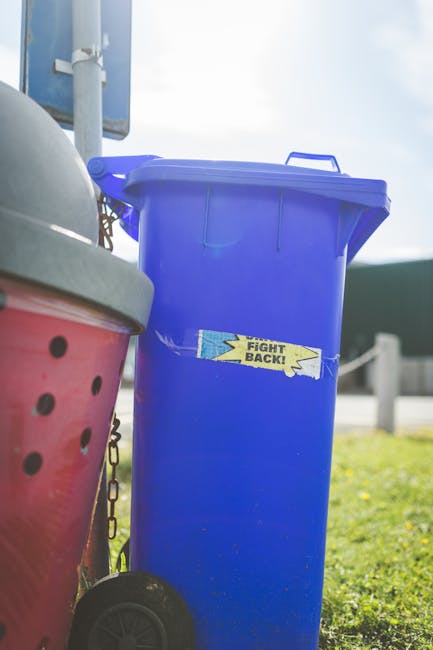
Rubbish collection on Two Rivers Estate Staines practical guide

If you live, work, or manage a property on Two Rivers Estate in Staines, rubbish has a habit of building up at the worst possible time. A renovation finishes late on a Friday, a sofa needs shifting before the weekend, or the bin store is full and nobody quite knows what can go where. This Rubbish collection on Two Rivers Estate Staines practical guide is here to make the whole thing feel less messy, less confusing, and a lot more manageable.
In practice, rubbish collection on the estate is about more than just "getting rid of stuff". It is about access, timing, sorting, recycling, safe lifting, and choosing the right method for the waste in front of you. Some jobs are small and straightforward. Others involve bulky furniture, mixed household rubbish, builders' waste, or items that need careful handling. The good news? Once you understand the moving parts, the process becomes much easier.
Below you will find a clear walkthrough of how rubbish collection typically works, what to prepare, which mistakes cause delays, and how to decide between a quick collection, a full clearance, or a skip-based option. To be fair, most people only need a simple plan and a bit of local know-how.
Why rubbish collection on Two Rivers Estate matters
Two Rivers Estate is a busy residential and mixed-use environment, which means waste has to be handled with a bit of care. Shared access routes, underground parking, service areas, neighbours nearby, and the general rhythm of estate life all make timing and presentation more important than they might be on a quieter street. If rubbish is left in the wrong place, even briefly, it can become an obstacle, a safety issue, or a nuisance.
That matters for everyday reasons as much as for practical ones. Overflowing bags can attract gulls and other pests. Bulky items left in communal spaces can block walkways. Renovation waste can make an area look scruffy and create trip hazards. And let's face it, nobody wants to come home to the smell of damp cardboard, food waste, or old soft furnishings sitting in the wrong place after a rainy spell.
There is also the simple reality of convenience. Many residents and businesses want a collection service that is predictable, tidy, and quick. That is where proper planning pays off. A good rubbish collection arrangement helps you keep on top of clutter before it spirals into a full clearance job. It also reduces the chance of rejected items, extra handling charges, or repeated trips because the waste was not prepared properly.
Expert takeaway: the best rubbish collection is not just the fastest one. It is the one that fits the estate's access, your waste type, and the amount of sorting you are willing to do in advance.
On a place like Two Rivers Estate, a small amount of prep can save a surprising amount of time. A pile of mixed junk in the hallway may look "collectable", but if it includes items that need separating, the job becomes slower and less efficient. A bit of structure upfront usually wins.
How rubbish collection on Two Rivers Estate Staines practical guide works
In simple terms, rubbish collection is the removal of waste from your flat, house, office, storage area, or shared space and its transfer to the correct disposal or recycling route. The exact process depends on the type and volume of waste, but the flow is usually similar.
What usually happens
- You identify the waste and decide whether it is general rubbish, bulky waste, mixed waste, or a specialist item.
- You choose a collection method that suits access and volume.
- You prepare the waste so it can be lifted safely and quickly.
- The team arrives, confirms the load, and removes the items.
- The waste is sorted for reuse, recycling, treatment, or disposal.
For residents, this often means clearing a few items from a flat or a storage cupboard. For landlords or managing agents, it may involve communal waste, abandoned furniture, or end-of-tenancy leftovers. For trades and local businesses, the load may include packaging, fixtures, or light construction waste. The process is similar, but the practical details change quite a bit.
You will usually get the smoothest result if the rubbish is easy to access and clearly separated from items you want to keep. If waste is buried behind furniture or mixed with personal belongings, collections take longer. That sounds obvious, but in real life, people are often still sorting through boxes while the collection crew is already on the way. Happens all the time.
For bigger clear-outs, it can be sensible to look at related services such as flat clearance, house clearance, or general waste removal rather than trying to force everything into a single bin-style approach.
For mixed furniture or one-off bulky items, options like furniture disposal and furniture clearance are often a better fit than piecemeal trips in the car. Sofas have a way of looking smaller in the living room than they do in a narrow lift lobby. Funny that.
Key benefits and practical advantages
The real value of organised rubbish collection is not just a cleaner space. It is the knock-on effect it has on time, safety, and peace of mind.
- Less stress: you do not have to figure out disposal methods item by item.
- Faster turnaround: a prepped load is usually removed much more efficiently.
- Better appearance: clear communal areas make a stronger impression on visitors, tenants, and neighbours.
- Improved safety: fewer trip hazards, no leaning furniture, and less clutter around access routes.
- More recycling potential: separating items makes it easier for recoverable materials to be diverted appropriately.
- Better for busy schedules: a single collection window is easier to plan around than multiple self-drops.
There is also a less obvious benefit: momentum. Once the first load goes, people tend to clear more. We see this with end-of-tenancy jobs and pre-move clearances especially. One removed pile can unlock three smaller piles that were oddly hard to start.
If sustainability matters to you, it is worth checking how a provider approaches sorting and recovery. The company's recycling and sustainability information should give you a sense of whether the process supports reuse and responsible handling, not just disposal for convenience.
Who this is for and when it makes sense
This kind of rubbish collection is useful for a wide mix of people on and around Two Rivers Estate. It is not just for major clear-outs. Sometimes the smallest jobs are the ones that quietly take over your weekend.
It makes sense if you are:
- a resident clearing out clutter before a move
- a tenant at the end of a lease with leftover household rubbish
- a landlord needing a fast turnaround between occupiers
- a managing agent dealing with communal junk or fly-tipped items
- a local business with packaging, storage waste, or old office items
- a tradesperson finishing a small job and needing builders' waste gone
If you are renovating, the waste can become surprisingly varied. Old skirting, packaging, broken fittings, plasterboard, and general rubbish can all turn up together. In those cases, builders waste clearance may be more practical than standard rubbish removal because it is designed for construction-style material mixed with lighter debris.
Business users often need a slightly different rhythm. A back room full of cardboard and broken furniture is not the same as a domestic clear-out. For that, business waste removal and office clearance can be more appropriate. The aim is the same, but the workflow is tidier and less disruptive.
And if your rubbish includes items that cannot be treated as ordinary waste, such as chemicals, paints, or certain contaminated materials, you should pause and check the handling route. That is where hazardous waste disposal becomes relevant. Do not guess with that stuff. Seriously.
Step-by-step guidance
If you want the smoothest possible collection on Two Rivers Estate, use this practical process. It is simple enough, but each step saves time later.
1. Separate what stays and what goes
Start with a quick sort. Make a "keep" zone and a "remove" zone. This stops useful items being accidentally collected and makes the job cleaner from the outset. A spare five minutes here can save a very annoying conversation later.
2. Identify anything specialist
Check for items that need special handling: fridges, freezers, televisions, fluorescent tubes, chemicals, wet paint, sharps, or anything potentially hazardous. Appliances may be accepted through specific routes, and some items need extra handling because of weight, gases, or components. If you have white goods, take a look at fridge and appliance removal so you know what needs to be flagged in advance.
3. Measure the practical side, not just the pile
How far is the waste from the vehicle? Is there lift access? Can the team stop close to the entrance? Are there parking or loading restrictions? These details matter more than people expect. A small pile on the fourth floor with awkward access can take longer than a larger pile at ground level.
4. Bag, bundle, or stack sensibly
Loose rubbish wastes time. Bag small items, bundle cardboard, keep sharp edges contained, and stack furniture so it is easy to lift. If you have soft furnishings such as a sofa or mattress, it is best to separate them from general junk. mattress and sofa disposal is especially useful for bulky household items that are awkward, heavy, and not exactly fun to drag down stairs.
5. Set a clear collection point
Where possible, place the waste somewhere accessible but out of the way. Hallways, entrance areas, service zones, or a designated outside spot can work well if it is safe and permitted. Just do not block fire exits or shared access. That is the sort of mistake that creates more problems than it solves.
6. Confirm what is included
Make sure you know whether the collection covers loading only, full removal, recycling separation, or disposal of particular items. Clear expectations prevent awkward surprises. If pricing or service scope is unclear, reviewing the provider's pricing and quotes guidance can help you understand what should be covered before you book.
7. Keep the area ready for the crew
On the day, have doors unlocked if needed, make sure pets are secure, and keep children away from the loading route. It sounds basic, but a calm ten minutes at the start makes the whole thing feel much more organised.
Expert tips for better results
Here are the small things that tend to separate a decent collection from a genuinely smooth one.
- Flatten cardboard before the team arrives. It reduces volume and makes loading faster.
- Keep mixed waste separate from reusable items. If a chair is still usable, do not bury it under bagged rubbish.
- Leave doors and routes clear. Narrow gaps create delays, especially in shared estate spaces.
- Photograph the load before booking if you are unsure. It helps with planning and prevents misunderstandings.
- Check whether your item needs dismantling. Flat-pack furniture, beds, and wardrobes can become much easier to move once broken down.
- Choose timing carefully. Early morning or quieter periods are often less stressful in busy residential developments.
A small reality check: if you are clearing an estate flat after a long tenancy, the waste is usually more varied than expected. Old bedding, a broken lamp, shopping bags, and random kitchen bits. It is rarely just one category. That is why a flexible clearance approach tends to work better than rigid bin-by-bin thinking.
If you are unsure whether a skip or a collection team is the better route, the page on what can go in a skip is a useful sanity check. It helps you avoid the classic mistake of planning for a skip when the access or waste type makes a collection more sensible.
Common mistakes to avoid
Most problems are avoidable. That is the good news. The tricky part is that the same mistakes keep happening because people are busy and trying to finish the job quickly.
- Mixing hazardous items with ordinary rubbish. Keep chemicals and suspicious containers separate.
- Underestimating access issues. Lifts, stairwells, parking, and loading bays can all change the plan.
- Leaving the waste unprepared. Loose items take longer and are more likely to be missed.
- Blocking communal areas. Even temporary blockage can be a problem on an estate.
- Forgetting bulky-item restrictions. Sofas, mattresses, and appliances often need specific arrangements.
- Assuming one collection method suits everything. Sometimes a combination of clearance and targeted disposal is the smarter route.
One of the sneakiest errors is simply not measuring volume properly. People look at a corner of a room and think, "That is not much." Then the bags come out, the pile grows, and suddenly the van is busier than planned. Truth be told, it happens to the best of us.
If the waste is mostly furniture, look at whether a specialist furniture route is a better fit. In many cases, furniture clearance is easier than trying to describe each item in a generic way. And if the furniture is on its last legs, furniture disposal may be the most direct option.
Tools, resources and recommendations
You do not need much to prepare properly, but a few basic tools make the job far easier.
Useful things to have on hand
- heavy-duty sacks or rubble bags
- packing tape for bundling cardboard
- gloves for sharp or dusty items
- a marker pen for labelling keep/remove zones
- a trolley or sack truck for heavier loads
- basic cleaning cloths for the final sweep
For bigger household jobs, a broader service such as home clearance can simplify things because it handles mixed domestic waste rather than forcing every item into a separate disposal channel. If you are clearing storage areas or forgotten boxes, garage clearance and loft clearance are also useful ways to handle the more awkward, dusty corners of a property.
For garden jobs around the estate, green waste and broken outdoor items may be better handled through garden clearance. It is a better fit for branches, soil, pots, and worn-out outdoor furniture than a standard household rubbish approach.
If you want to understand the company's policies before booking, the pages on insurance and safety, health and safety policy, and about us can help build trust and explain how work is handled responsibly.
Law, compliance, standards, or best practice
Waste handling in the UK is governed by a mix of legal duties, local expectations, and common-sense best practice. You do not need to become a compliance expert just to get rid of a sofa, but you should know the basics.
First, waste should be managed responsibly and transferred to a legitimate route. That means the collection provider should be set up to handle waste appropriately and not simply dump it elsewhere. Second, hazardous or specialist waste should be separated and dealt with carefully. Third, communal spaces on an estate should stay safe and accessible throughout the process.
There is also a practical standard worth following: keep clear records of what is being removed, especially if you are a landlord, agent, or business owner. A simple inventory, a few photos, or a written note can prevent confusion later. It is not glamorous, but it is very useful when there are multiple people involved.
Best practice on a managed estate includes:
- not leaving waste in fire exits or access routes
- keeping items grouped and clearly labelled where possible
- separating specialist waste from general rubbish
- choosing a collection time that reduces disruption
- using a provider that can explain how waste is handled
If you are dealing with confidential papers or archive material from a business setting, do not put them into general rubbish. confidential shredding is the safer and more appropriate route. That one is easy to overlook until it is suddenly very important.
Options, methods, or comparison table
Choosing the right disposal method is usually the biggest decision. Here is a simple comparison to help you match the job to the method.
| Method | Best for | Strengths | Watch out for |
|---|---|---|---|
| Rubbish collection | Mixed bags, small clear-outs, bulky items, accessible loads | Quick, tidy, flexible | Access and sorting still matter |
| House or home clearance | Whole rooms, larger domestic clear-outs | Good for mixed household waste | Can be more than you need for a tiny job |
| Furniture clearance/disposal | Sofas, tables, wardrobes, mixed furniture | Ideal for bulky household items | May need item-specific planning |
| Builders' waste clearance | Renovation waste, broken materials, light construction debris | Handles messy post-project loads | Specialist waste types may need separation |
| Skip-based solution | Large volumes, ongoing works, repeat loading | Useful for sustained projects | Access and loading restrictions can be a problem |
If you are not sure which route fits, start with the question: What type of waste do I actually have, and how easy is it to get to? That one question usually narrows the answer very quickly.
And if the job is business-related rather than domestic, look again at business waste removal or office clearance. It is often more efficient to match the collection to the setting rather than forcing everything through a general household route.
Case study or real-world example
Here is a realistic example based on the sort of situation people commonly face on an estate like this.
A resident in a Two Rivers Estate flat had three bags of general rubbish, a broken chest of drawers, an old mattress, and several flattened boxes from a recent move. Nothing dramatic, but enough to clutter the hallway and take up an entire corner of the living room. The main issue was not volume. It was awkwardness. The flat had lift access, but the corridor was narrow and the mattress was too large to wrestle around without planning.
The simplest approach was to separate the bags, move the mattress close to the entrance, flatten the boxes, and keep the drawer unit clear of loose items. That meant the collection could be handled in a short visit without having to sort through everything on the spot. The job stayed neat, the hallway was kept clear, and the resident avoided the kind of half-finished "we'll deal with that later" pile that tends to linger for weeks.
What made the difference? Preparation. Not perfection, just sensible prep. A little label here, a bit of stacking there, and the whole collection became straightforward. Sometimes the best win is simply making the hard bit less hard.
Practical checklist
Use this quick checklist before the collection day. It keeps things tidy and reduces the chance of delays.
- Have I separated what is staying from what is going?
- Have I identified any hazardous or specialist items?
- Are the waste items easy to reach?
- Have I flattened or bundled loose material where possible?
- Is the collection route clear and safe?
- Do I know whether parking or access needs to be arranged?
- Have I checked whether any bulky items need special handling?
- Is there anything confidential that should be shredded instead of binned?
- Have I reviewed pricing, scope, and timing?
- Have I chosen the right service type for the waste I actually have?
Quick practical summary: if the waste is mixed, bulky, or awkward, the best result usually comes from preparing it in advance, choosing the right service category, and keeping access simple. That alone solves a surprising number of problems.
If you are ready to move ahead, you can also review the booking process through book online or ask for clarity on service details and expectations before the collection date. A few minutes now can save a lot of back-and-forth later.
Get a free quote today and see how much you can save.
Conclusion
Rubbish collection on Two Rivers Estate does not need to be complicated. Most of the stress comes from unclear access, mixed waste, and not knowing which collection method fits the job. Once you sort those three things out, the rest is much easier to manage. Whether you are clearing a flat, dealing with a bulky sofa, or tidying up after a renovation, a practical plan will usually beat last-minute improvisation.
The smartest approach is simple: identify the waste, separate specialist items, choose the right service, and keep the route clear. That is the formula. Not flashy, but effective. And honestly, effective is what people usually want when there is rubbish sitting in the hallway.
For anyone on Two Rivers Estate who wants a smoother, safer, less stressful result, taking a little time to prepare makes all the difference. Small job or big clear-out, the same principle holds: a calm start tends to lead to a cleaner finish.
Frequently Asked Questions
What is the best way to organise rubbish collection on Two Rivers Estate?
The best approach is to separate the waste, check access, identify any specialist items, and choose a collection method that matches the volume and type of rubbish. Clear preparation usually makes the job much faster and reduces the chance of delays.
Can I put general household rubbish and furniture out together?
Often yes, but it depends on the service and the way the items are presented. Mixed loads are common, though bulky furniture is usually easier to handle when grouped separately from bags of general rubbish.
Do I need to sort recycling before collection?
It helps if you can. Separating cardboard, metal, wood, and reusable items can improve recycling outcomes and make loading more efficient. Even a basic sort is better than leaving everything in one mixed pile.
What should I do with a mattress or old sofa?
Mattresses and sofas are bulky and awkward, so they are best handled through a specific disposal route. Services focused on mattress and sofa disposal are usually the most practical option.
What if I have waste from a small renovation?
Small renovation waste is often a mix of packaging, broken fittings, plasterboard, and general debris. In that case, builders waste clearance is often more suitable than a simple household rubbish collection.
Is there a difference between rubbish collection and full clearance?
Yes. Rubbish collection usually refers to removing specific waste loads, while a clearance service can cover more of a room, flat, house, garage, or office. If the job is larger or more mixed, clearance may be the better fit.
What items should never be mixed with ordinary rubbish?
Hazardous materials, sharp objects, chemicals, paints, and some electrical or contaminated items should not be mixed with general rubbish. If you are unsure, keep the item separate and ask for guidance before collection.
How do I make the collection quicker on the day?
Bag small items, flatten cardboard, keep access routes clear, and place waste in a sensible collection point. A little organisation usually saves time and reduces lifting problems.
Can businesses on or near Two Rivers Estate use the same kind of collection service?
Sometimes, yes, but businesses often benefit from a more structured option such as business waste removal or office clearance. It depends on the kind of waste and how frequently it needs taking away.
How do I know whether a skip or a collection is better?
If the load is large, ongoing, or likely to be filled over time, a skip may be useful. If access is tight, the waste is mixed, or you want a quick one-off removal, a collection service is often easier. Checking what can go in a skip can help you decide.
What if I am clearing a whole property?
If the job involves multiple rooms or a full reset of the property, home clearance or house clearance may be more suitable than a simple rubbish collection. These services handle larger and more varied loads in a more coordinated way.
How can I be sure the waste is handled responsibly?
Look for clear information about recycling, safety, insurance, and service standards. Responsible providers should be able to explain how waste is managed and how they approach sorting and disposal.
If you want the job done without the usual faff, start with a sensible plan and the right service match. That is usually enough to turn a stressful pile into a manageable one, and a quiet bit of order is never a bad thing.